


Beyond the Spectrum participant Melanie Alderson shares her experience of writing and creativity as an Autistic person with chronic illness.
Does autistic masking hinder your writing craft? Do you think about writing more than you write? Do you jump from project to project and never get anything finished to a satisfactory state? Welcome to the club, because this is me to a T.
I’m Melanie Alderson and I take part in Beyond the Spectrum writing classes. I have really enjoyed these, and they have helped me redefine my work to a stage where I can complete it and be happy with it. I have noticed that there is a method of madness to my planning, but with the guidance of these classes, I am able to plan and have more of a routine with my writing. I now like to write at weekends, as it makes me feel productive. I aim for at least two thousand words per day on Saturdays and Sundays. I can now plan my work with ease. I never used to plan my writing, and it would end up all over the place.
I was diagnosed autistic when I was twelve and I went to a special school. I didn’t talk until I was seven, so I guess my writing helps me compensate with what I want to communicate. It’s also a therapeutic method for me if I am struggling with my emotions. I was a high functioning masker. When I was masking it usually led to fallouts, because I was too concerned people would click onto my autism, and I would not see what was right in front me, which led to psychological bullying by my colleagues at university. I now call them colleagues because I realised they were never friends in the first place.
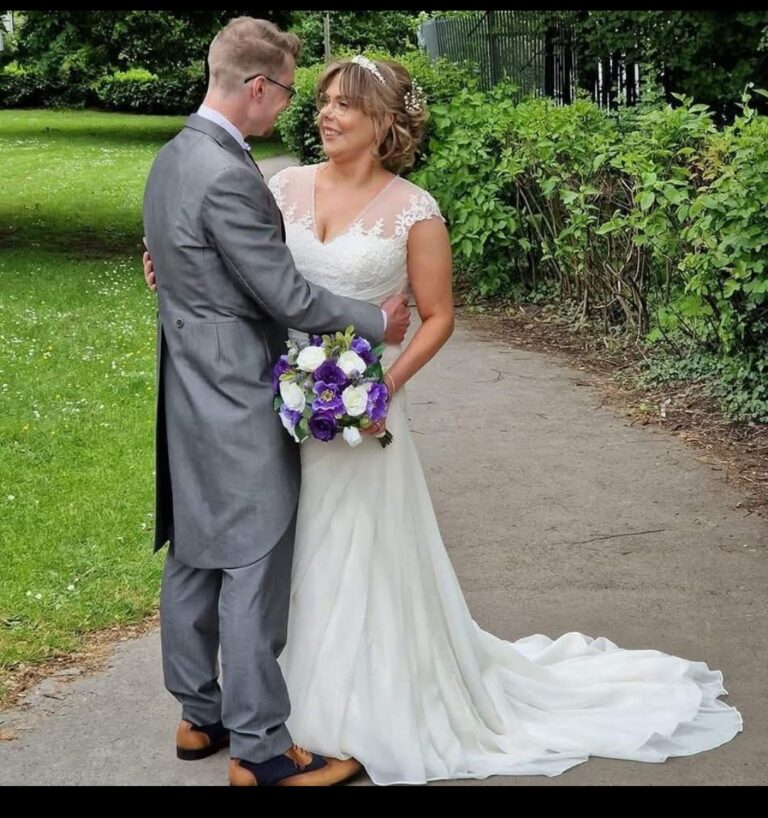
I’m thirty-seven now and I now know myself and I am happy with who I am as a person. When I last fell out with a “friend” it drained and upset me for months, to the point where I had to stay in hospital. When I had finally recovered, I vowed to myself that I would never mask again, and it seems to have worked. Being my true autistic self helped me figure out who were the right people in my life, and know that they would love me no matter what, including my autism and my chronic illnesses. I’m type 1 diabetic and I have hypothyroidism, a hormone disorder in which I don’t make enough thyroid hormone. Its one of the most crucial hormones in the human body. I like to use the analogy that it feels like a car that is running low on petrol or diesel and splutters along gasping for air until it gets refuelled at a petrol station. This is how it feels until I take my thyroid medication.
I also noticed that by not masking, my creative side seemed to bloom more, be more accurate and I’d sound more like myself, without feeling like a fraud or having imposter syndrome. I’m sure my fellow autistic writers can relate to this! I now have had some success with my writing, I have published magazine articles and even poems.
The one thing I am struggling with is the book I am working on called Married on the Wrong Planet: A Survival Guide for Neurodivergent Couples! It’s jumpy and choppy but I think it would fill a gap in the book world. It’s about dealing with chronic illnesses, as it’s not just me that has a chronic illness in this marriage. My husband was diagnosed with Multiple Sclerosis when he was thirty and he eventually was medically retired at the age of thirty-six by the NHS. He was a hospital porter, which was physically demanding, not just from the amount of walking, but from lifting patients, moving beds and sorting out the big hospital waste bins, and it included gruelling shifts.
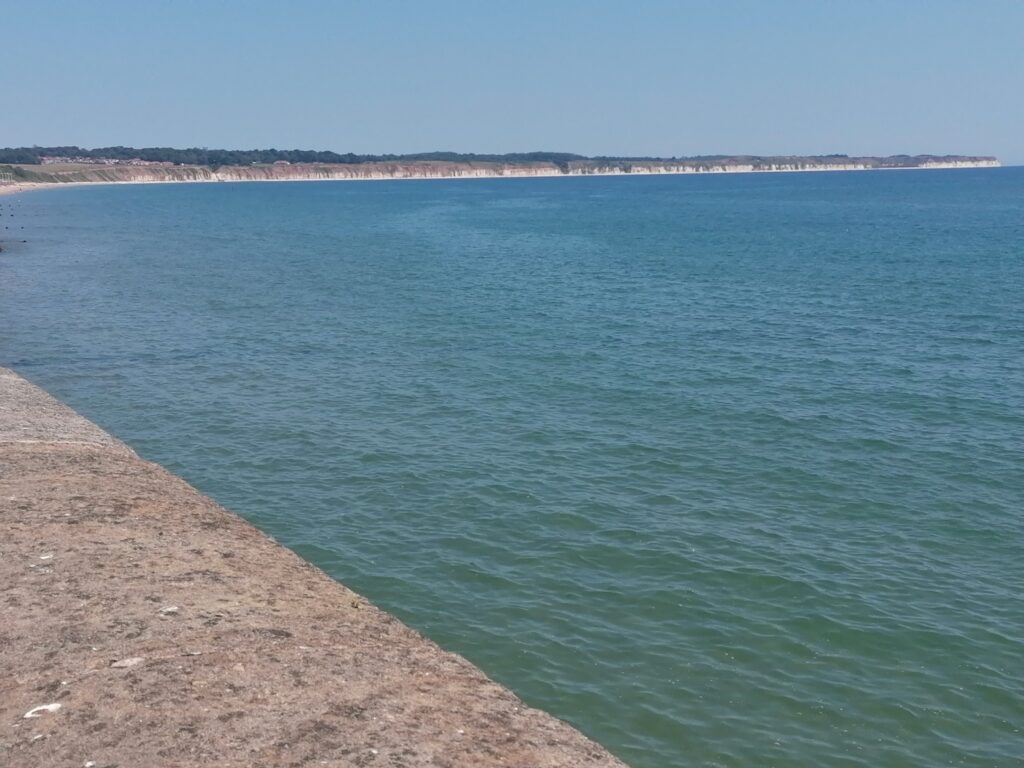
In my book I talk about how we made changes to our lives which now work for us. It took about four years of trial and error, but with love, patience and a few arguments thrown in – we came out the other side. My husband received a pension payout from work and with that money, we bought a bungalow. We moved two and a half hours away from places and people we’d known all our lives to settle in a beautiful, Jurassic east Yorkshire town by the coast. This is where our healing really began.
I struggle with getting those words down for the book. One aspect I am struggling with is organising the chapters and which order they should come in. I also start new chapters before I complete the one I am working on. I end up with about ten different drafts before I am somewhat happy.
I have no medical qualifications, but sometimes the best books come from experience and voices straight from the horse’s mouth with illnesses like ours. I talk about what to do when a loved one gets diagnosed with a chronic illness later in life and the support to look for if they can no longer work due to that disease or disability. I talk about the spoon theory and the 3-6-9 theory to help us work out daily tasks, so we don’t go running on empty. I talk about which benefits to apply for, what our experience was like applying for those and what it was like applying for a mortgage with our benefits.
There is also a big narrative on food. My husband and I had a complete diet change as I was also diagnosed type 1 diabetic later in life. I ended up so ill in hospital. I needed an emergency insulin shot and IV drips, with other things such as cholesterol being through the roof and my one kidney developing to the warning stage of chronic kidney disease. This experience left us angry, as I knew something was wrong ten years prior to getting the help I needed and I felt medically gaslighted and judged because I looked able, after years of A&E visits telling them I was sick.
"My biggest tip is to try not to mask when you’re writing and see what flows out of that beautiful neurodivergent mind of yours!"
If my book ever comes to print, I want it to debunk the stereotypes of what ableism should look like and give hope to the chronic illness community, that there is light at the end of the tunnel to at least manage the conditions and feel eighty percent better during their everyday lives. Diabetes is no picnic, it’s constant insulin shots, watching what I eat, managing hypos, and feeling defeated when my sugars aren’t level. But I manage it and live a good life.
I just need to give myself a kick up the butt and get the book finished, but it’s as if I must get into a meditating, unmasked state, with music playing that pulls at the heartstrings to get those words typed. It takes a lot to feel, for me at least anyway, and certain music I’m drawn towards helps when I’m writing, such as Evanescence, Linkin Park and Korn. These bands help me complete my craft.
Hopefully you’ve found this blog post interesting. My biggest tip is to try not to mask when you’re writing and see what flows out that beautiful neurodivergent mind of yours!


